

Upcoming NYSEAN co-sponsored Events
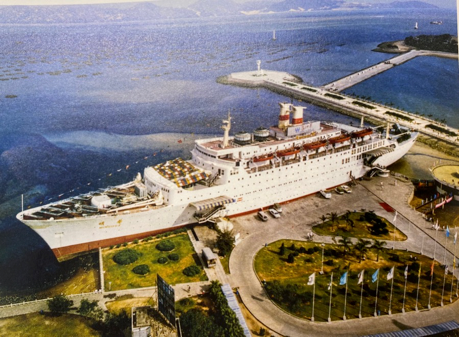
Join NYSEAN for a talk by Taomo Zhou, Associate Professor and Dean’s Chair in the Faculty of Arts and Social Sciences at the National University of Singapore. In this talk, Dr. Zhou presents a simultaneously global and local history of Shenzhen by tracing how the city’s development was entangled with China’s Cold War engagements with Southeast Asia.
upcoming Events
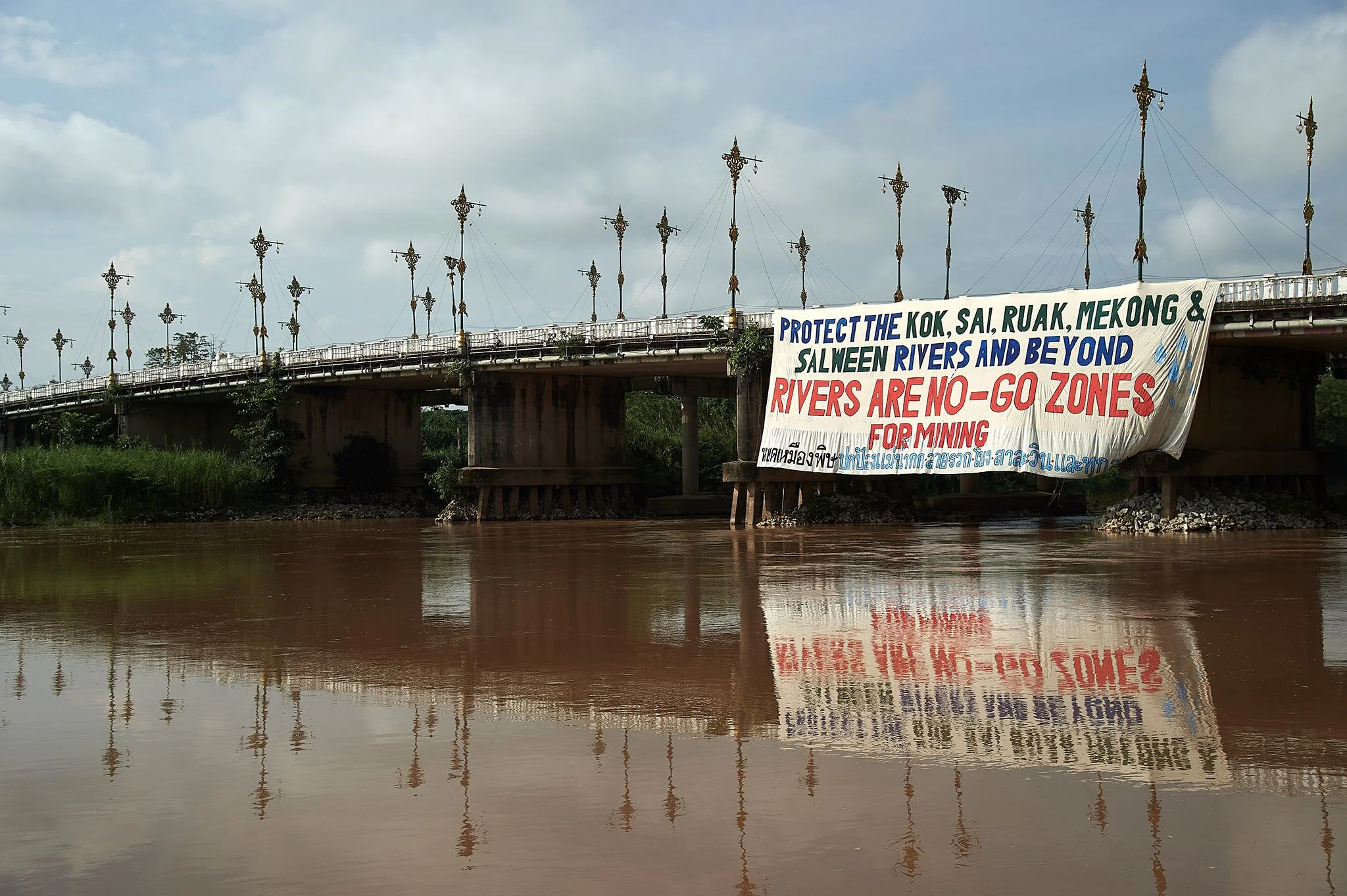
Join the Stimson Center for a panel discussion on why unregulated mining is expanding in mainland Southeast Asia despite widespread awareness of its impacts. Speakers include Pianporn (Pai) Deetes, Executive Director of Rivers and Rights; Kevin Woods, Research Associate at Chulalongkorn University, and Regan Kwan, Southeast Asia Program Research Analyst at the Stimson Center. Brian Eyler, Senior Fellow and Director of the Southeast Asia and Energy, Water, and Sustainability Programs at the Stimson Center will moderate the discussion.
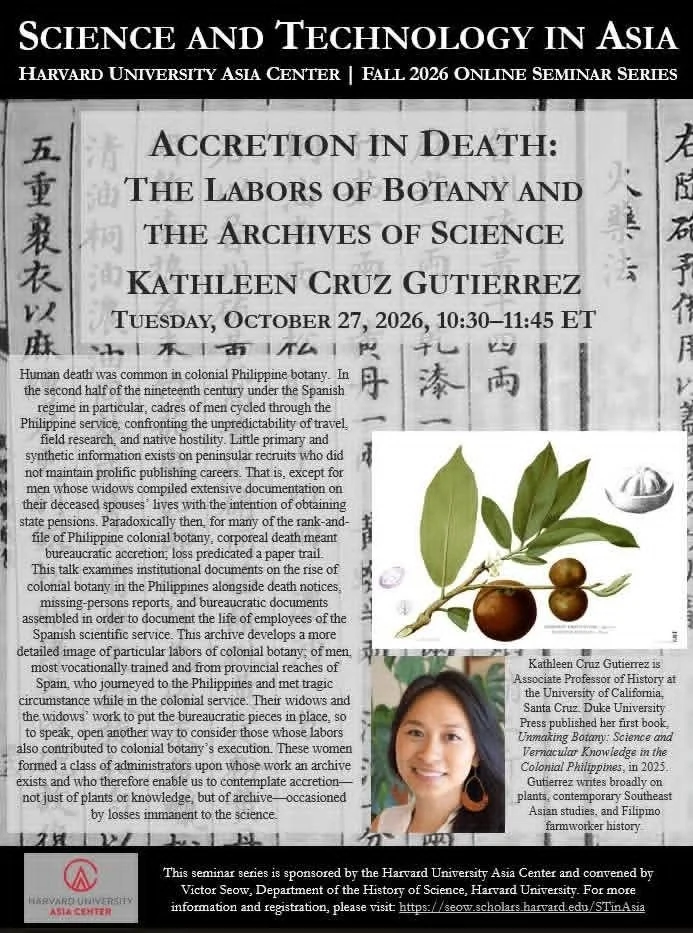
Join the Harvard University Asia Center for a talk by Kathleen Gutierrez, Associate Professor of History at the University of California, Santa Cruz. Drawing on death notices, missing-persons reports, and other bureaucratic records, Dr. Gutierrez explores how the deaths of scientific workers and the efforts of their widows to document their lives generated an archive that offers a different view of colonial botany in the nineteenth-century Philippines.

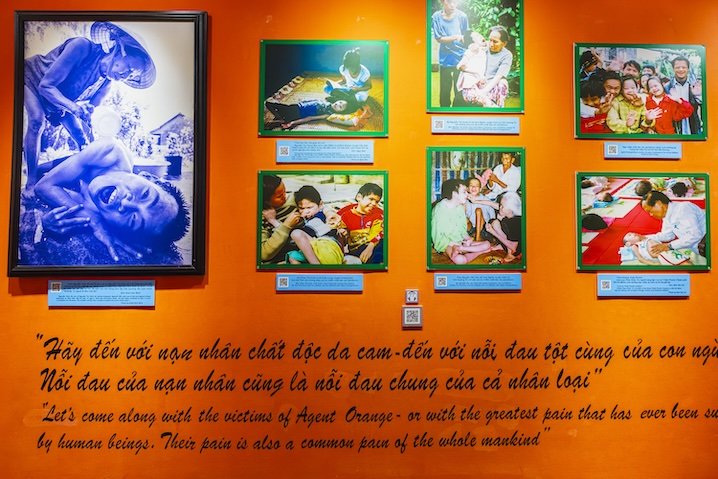
Join the Columbia University Weatherhead East Asian Institute for a talk by Luna Nga Thị Howard, Amerasian activist and entrepreneur, and writer Anna El-Eini. Luna will discuss her experience growing up in Vietnam following the war as a woman born of a Vietnamese mother and a Black US serviceman father. Anna will discuss how she and Luna were forced to face existential questions about the Vietnam War head on, including the suffering on both sides, forgiveness versus justice, loyalty through political division, and national identity as a catalyst for war.
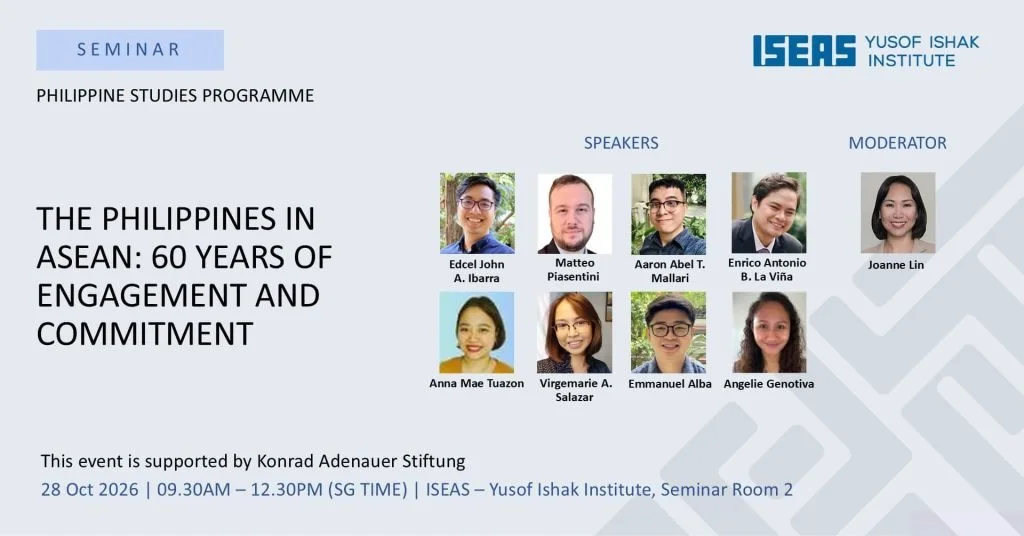
Join the ISEAS – Yusof Ishak Institute for a panel reflecting on 60 years of Philippine engagement with ASEAN as well as the opportunities and limitations of regional cooperation in advancing Philippine security, development, and welfare. Panelists include Anna Mae Tuazon, independent ASEAN engagement advisor, and from the Department of Political Science at the University of the Philippines Diliman: Edcel John A. Ibarra, Assistant Professor; Matteo Piasentini, Senior Lecturer; Aaron Abel T. Mallari, Assistant Professor; Dr. Virgemarie A. Salazar, Assistant Professor; Emmanuel Alba, Teaching Associate, and Angelie Genotiva, PhD student.
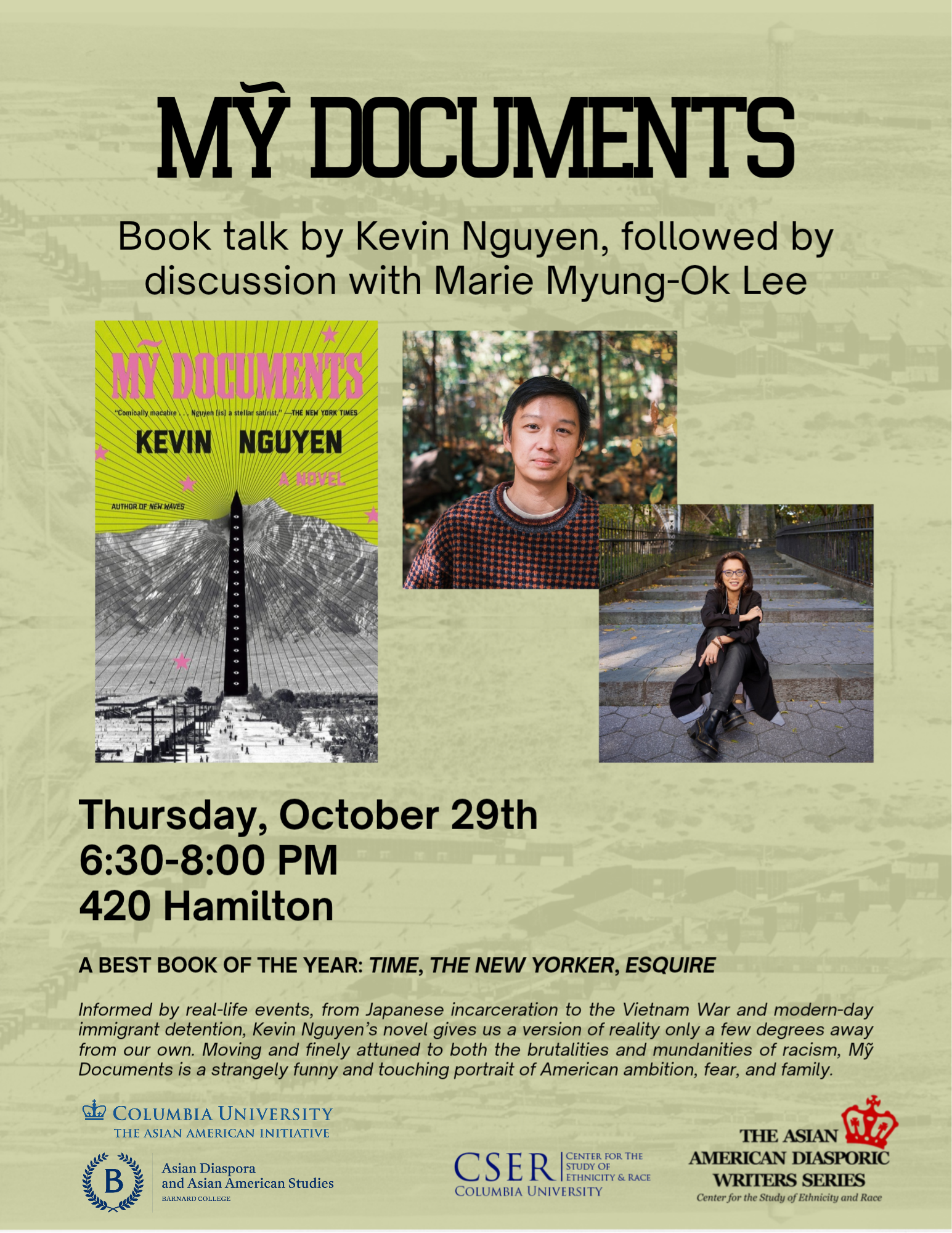
Join the Center for the Study of Ethnicity and Race (CSER) at Columbia University for a book talk by Kevin Nguyen about his 2025 novel Mỹ Documents, followed by a discussion with CSER’s Writer-in-Residence, Marie Myung-Ok Lee.
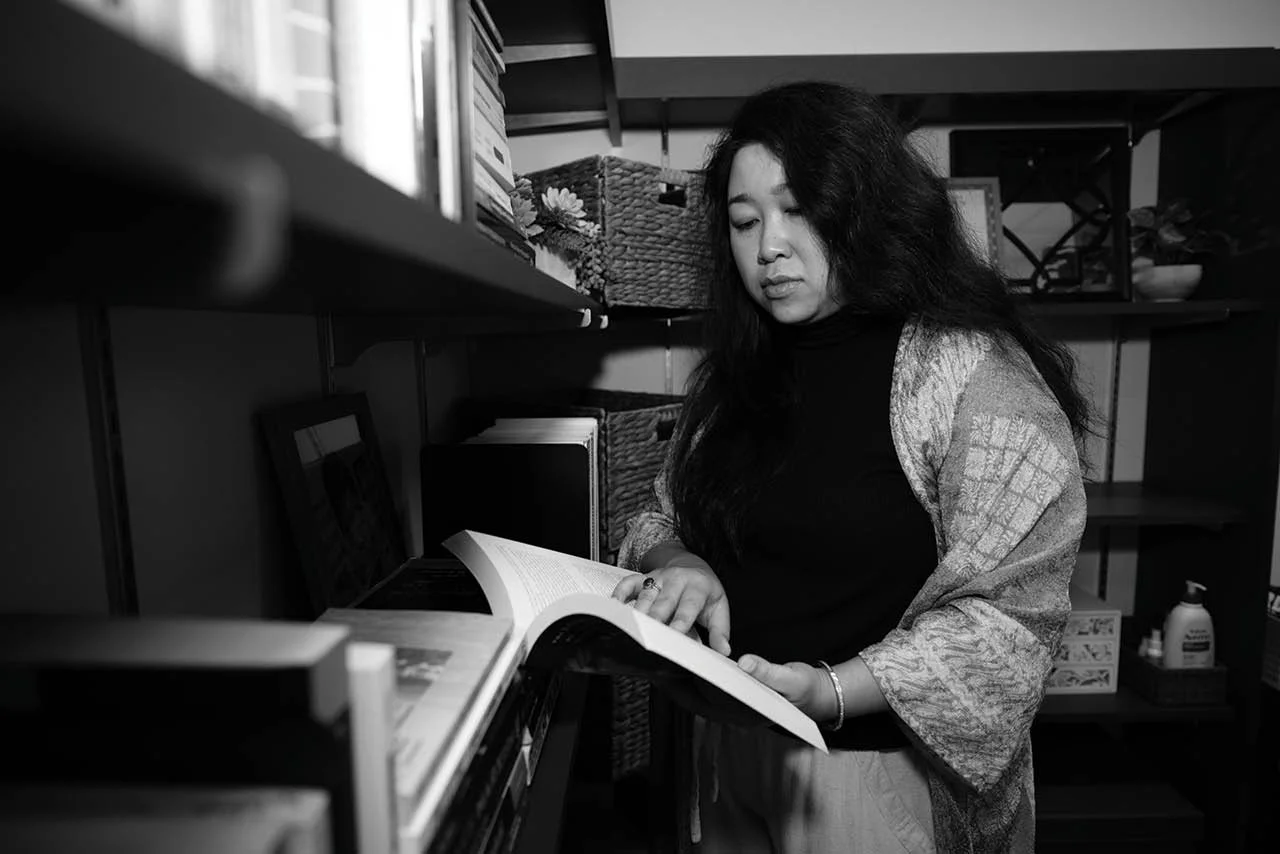
Join the Center for Southeast Asian Studies and the Department of Sociology at Northern Illinois University for a talk by Intan Suwandi, Assistant Professor of Sociology at Illinois State University. She will discuss the exploitation of Indonesian labor in global value chains dominated by multinational firms from the Global North.
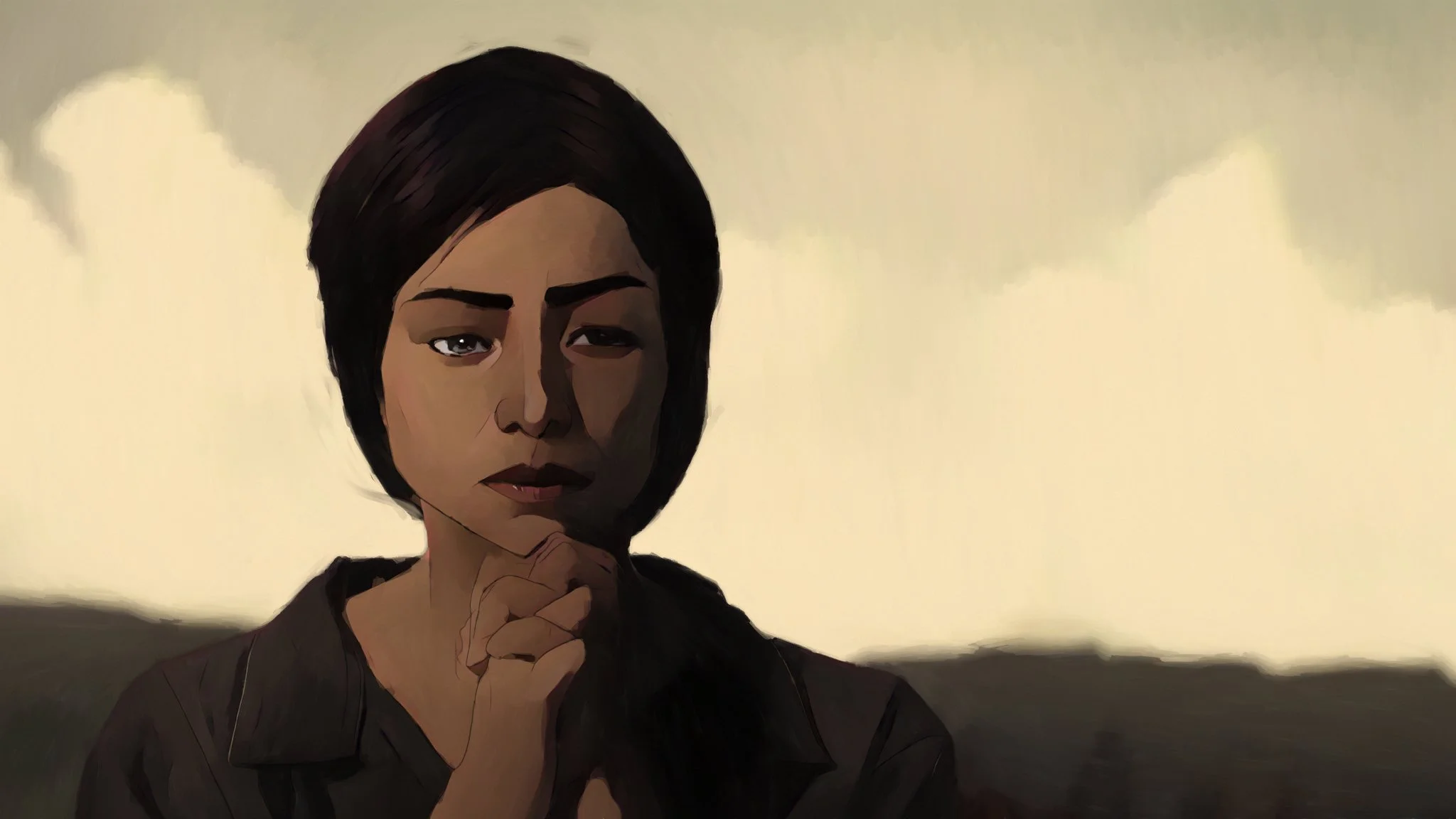
Join Maysles Documentary Center for a special screening of 58th, an acclaimed animated documentary by Filipino filmmaker Carl Joseph E. Papa, currently campaigning for Oscar consideration in the Best Documentary Feature category. The film screening is followed by a special Q&A with the filmmaker.
Join NYU Tisch School of the Arts for a special screening of 58th, an acclaimed animated documentary by Filipino filmmaker Carl Joseph E. Papa, currently campaigning for Oscar consideration in the Best Documentary Feature category. The film screening is followed by a special Q&A with the filmmaker.
Join NYSEAN for a talk by Taomo Zhou, Associate Professor and Dean’s Chair in the Faculty of Arts and Social Sciences at the National University of Singapore. In this talk, Dr. Zhou presents a simultaneously global and local history of Shenzhen by tracing how the city’s development was entangled with China’s Cold War engagements with Southeast Asia.
NYSEAN VOICES
![[Recording] A Talk by Dr. Chee Soon Juan: Singapore’s Slow Unraveling?](https://images.squarespace-cdn.com/content/v1/657a0c3cd9317f7b22ebbb67/1792273196943-6KRUUBSOQ2PU6MIFGLD5/NYSEAN+Chee+Soon+Juan+Flyer-2.png)


![[Recording] Five Years after the Youth Protests: The Thai Monarchy Strikes Back](https://images.squarespace-cdn.com/content/v1/657a0c3cd9317f7b22ebbb67/1790983114023-2ZL7QROQUOAW6S5CH1B3/NYSEAN+Pavin+Flyer.png)
![[Recording] Making Orders in Contestation: Civil War and Online Scams in Myanmar’s Borderlands](https://images.squarespace-cdn.com/content/v1/657a0c3cd9317f7b22ebbb67/1790981810198-URMMLJG2V42242169UHZ/NYSEAN+Kota+Flyer.png)


![[Recording] Southeast Asia’s Generational Shift: Foreign Policy Futures](https://images.squarespace-cdn.com/content/v1/657a0c3cd9317f7b22ebbb67/1788378021418-RV89T8SNTXJZAMB0YDT7/sddefault-2.jpg)

OPPORTUNITIES
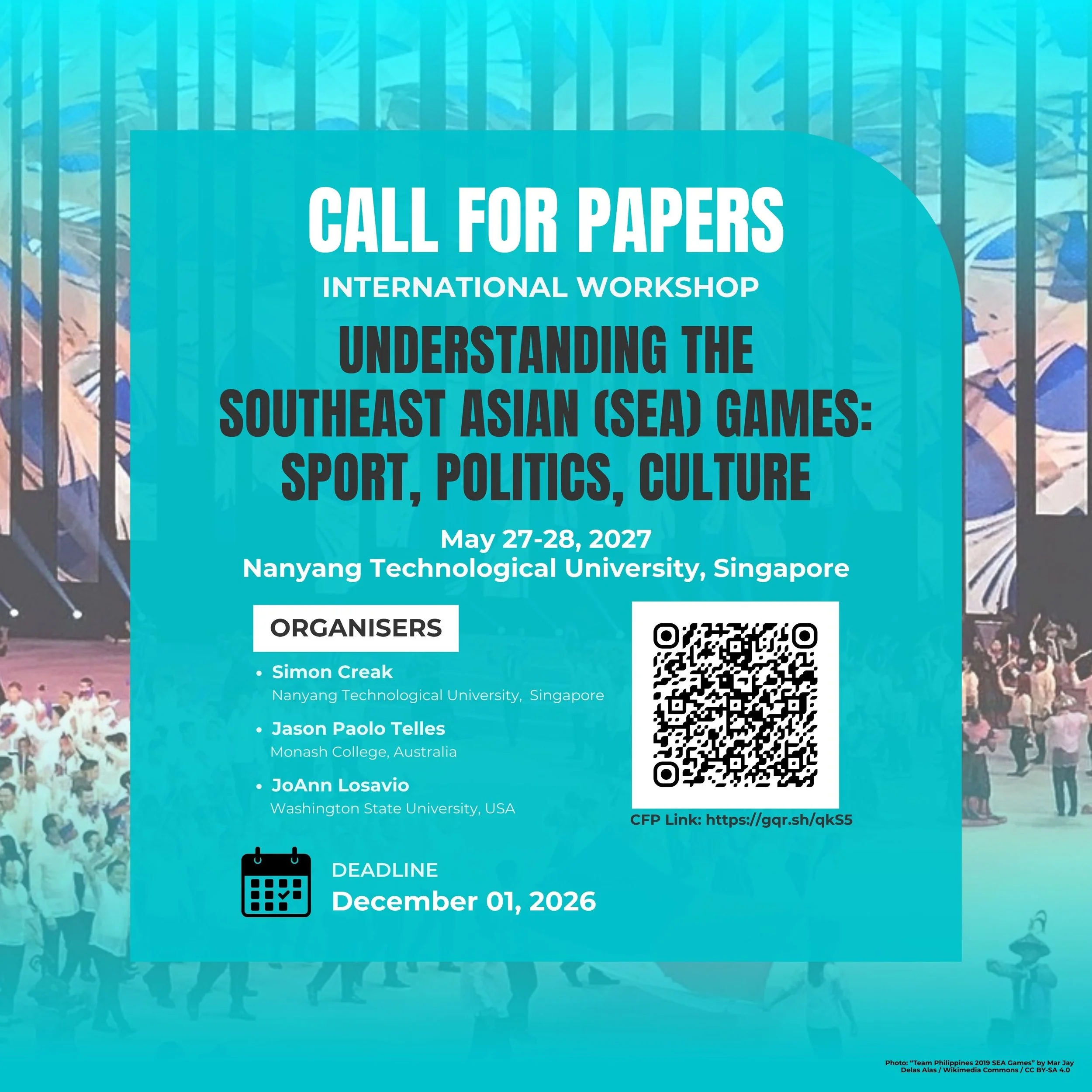
Are you currently conducting research on sport mega-events, particularly the Southeast Asian (SEA) Games, or interested in exploring the SEA Games from critical and interdisciplinary perspectives? The workshop, titled “Understanding the Southeast Asian (SEA) Games: Sport, Politics, Culture”, is now accepting abstracts. The conference will take place from May 27 to 28, 2027, at Nanyang Technological University in Singapore.
Application deadline: December 1, 2026
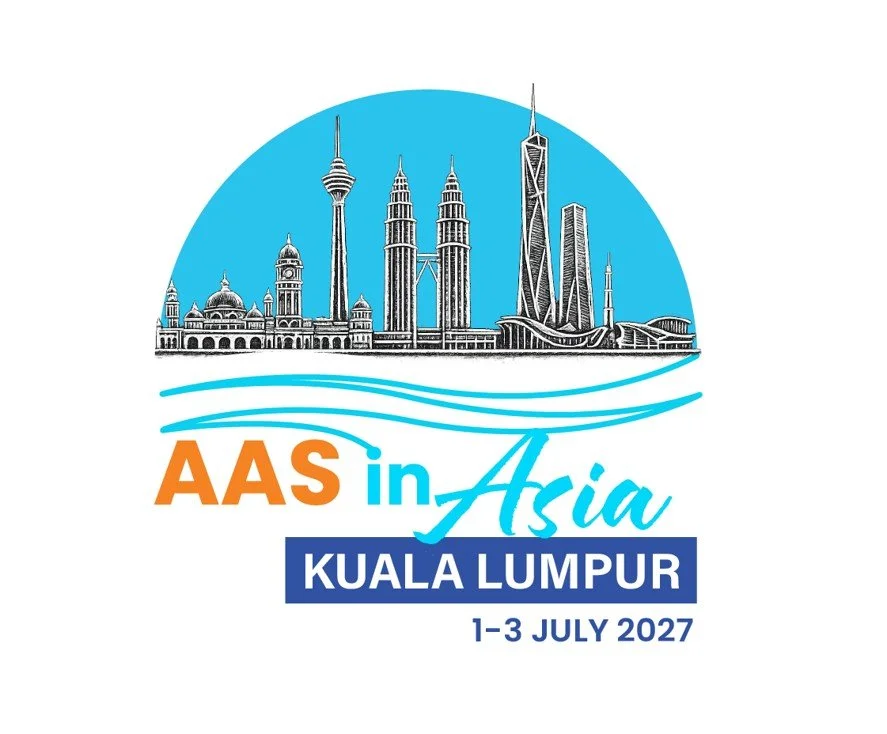
The Association for Asian Studies in Asia Conference welcomes organized panels and roundtable session proposals (no individual papers proposals) on all aspects of Asian Studies. The conference will take place from July 1 to 3, 2027, in Kuala Lumpur, Malaysia.
Application deadline: October 30, 2026
https://www.asianstudies.org/conferences/aas-in-asia/call-for-proposals/

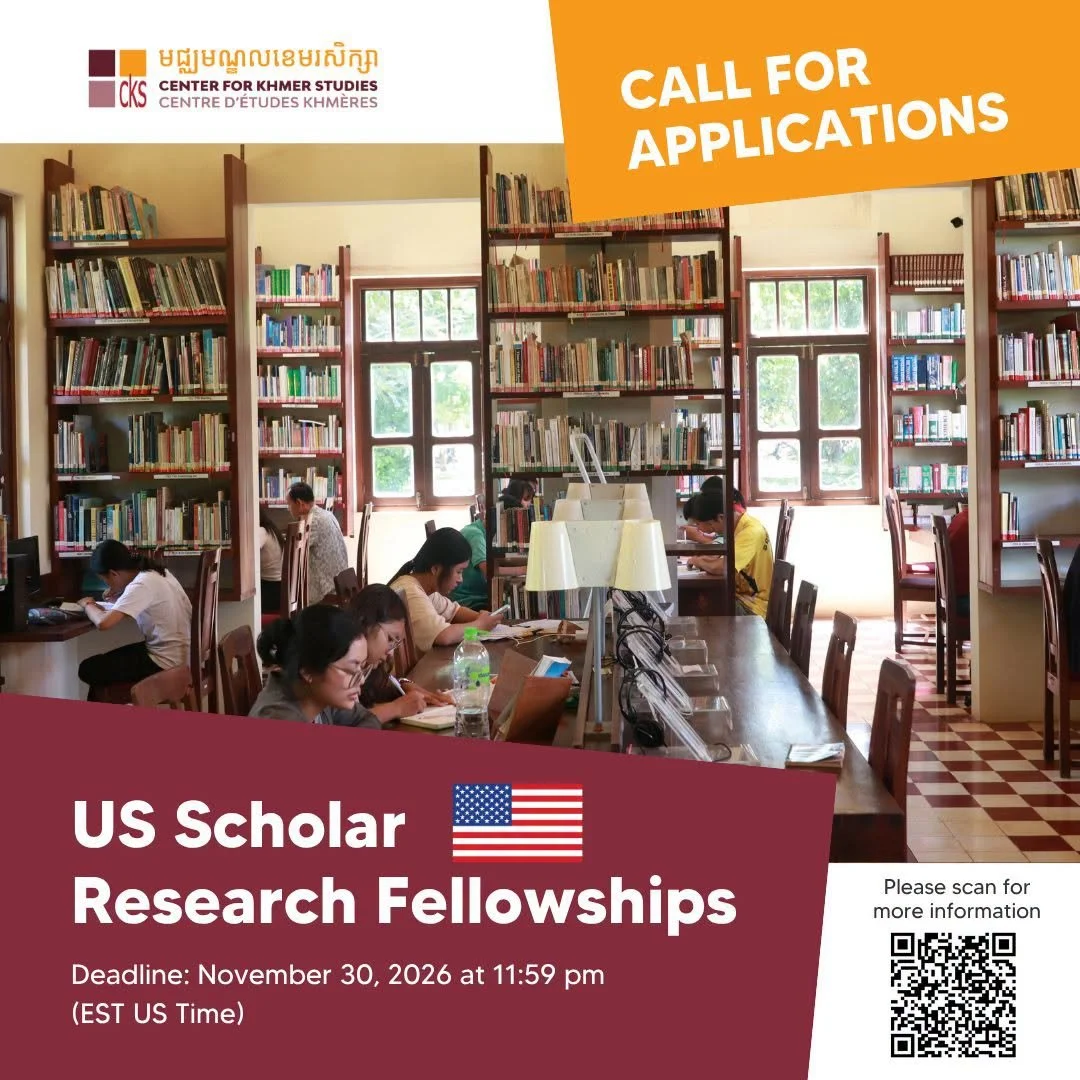
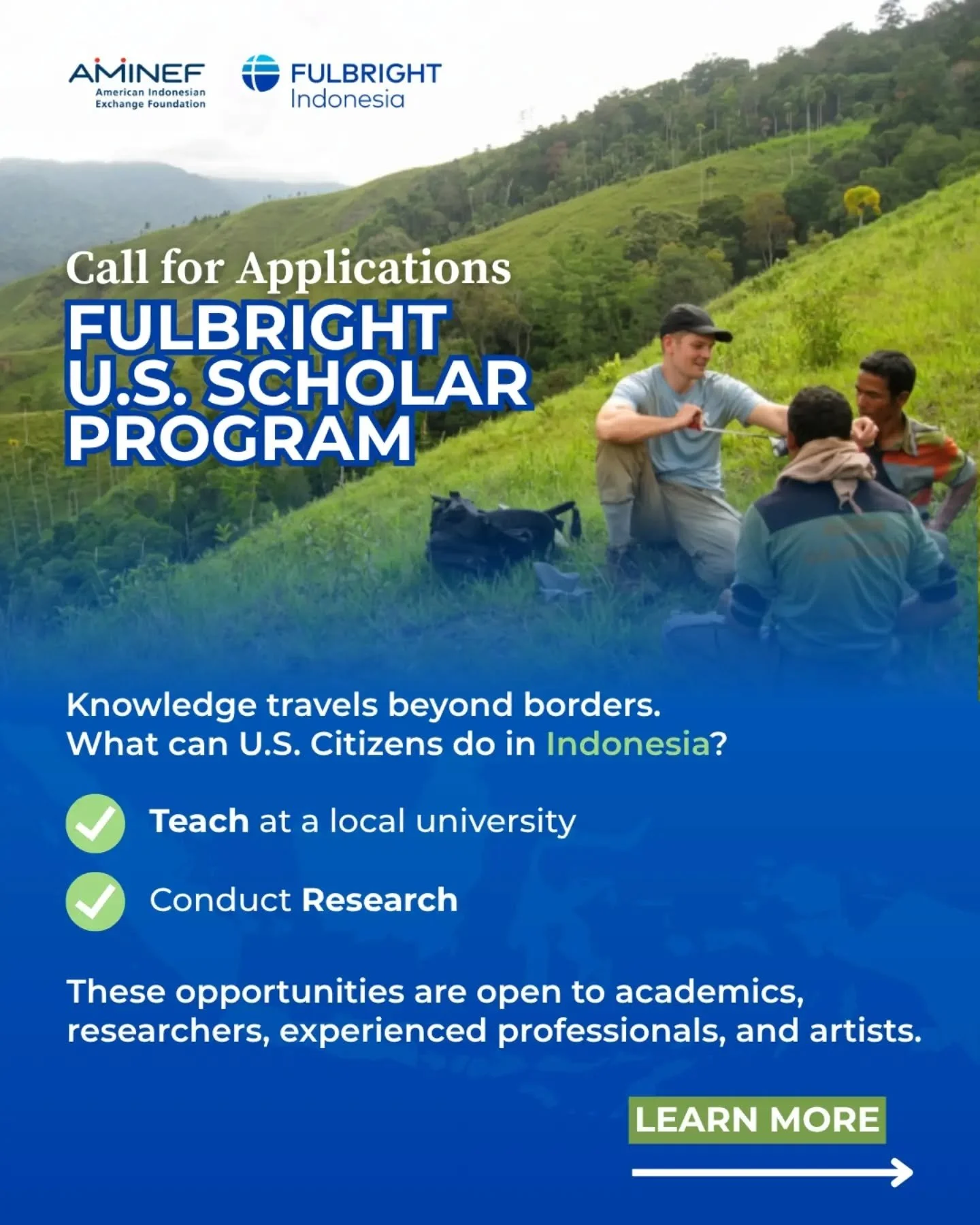
CKS invites U.S. citizens to apply for its annual research fellowships in the social sciences and humanities. We are seeking innovative projects focused on Cambodia or that situate the country within a broader regional or international context. Application deadline: November 30, 2026.
For more information and to apply, visit: https://khmerstudies.org/programs/us-scholar-research-fellowships/
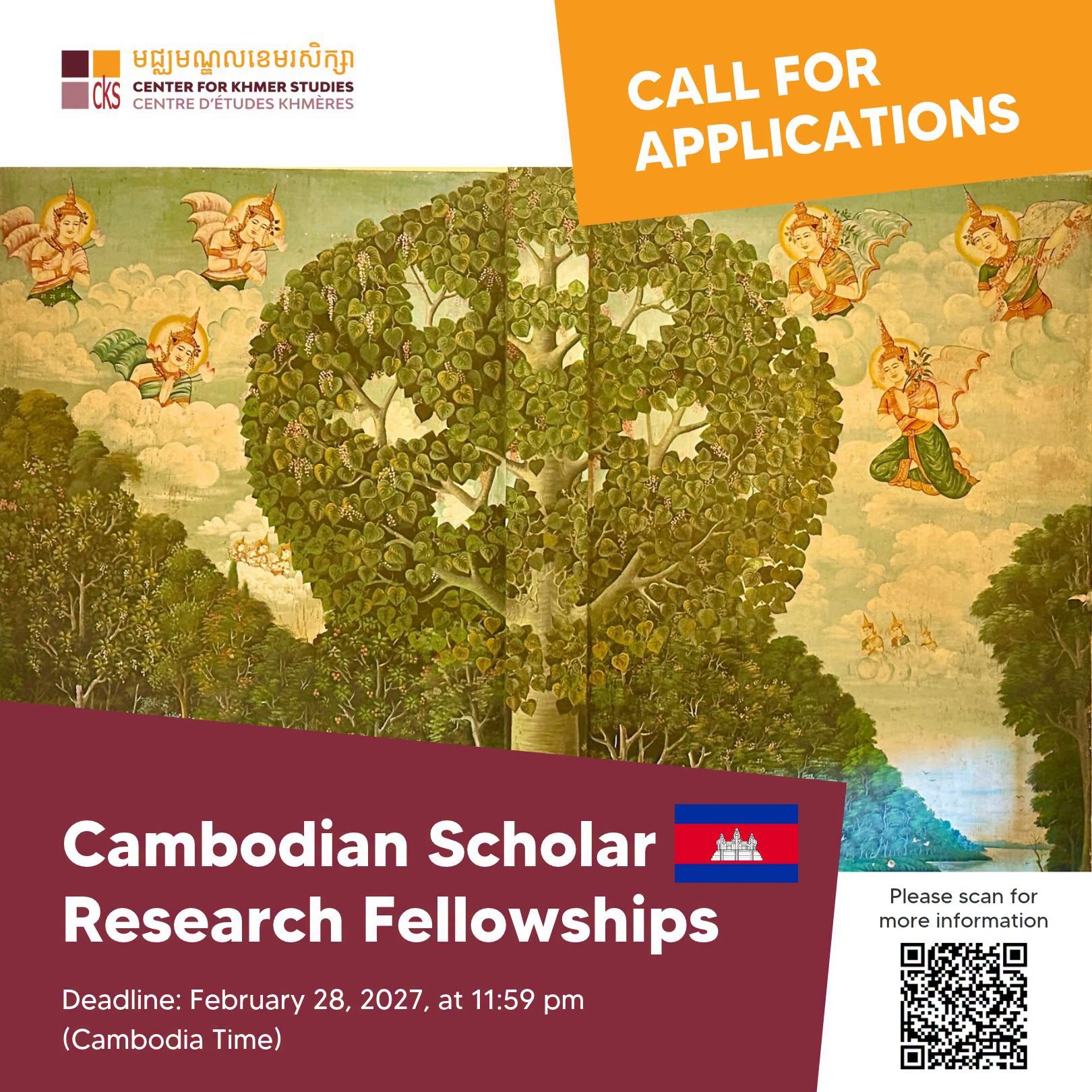
CKS invites Cambodian PhD holders and doctoral students to apply for research fellowships in the social sciences and humanities. Application deadline: February 28, 2027.
For more information and to apply, visit: https://khmerstudies.org/programs/cambodian-scholar-research-fellowships/

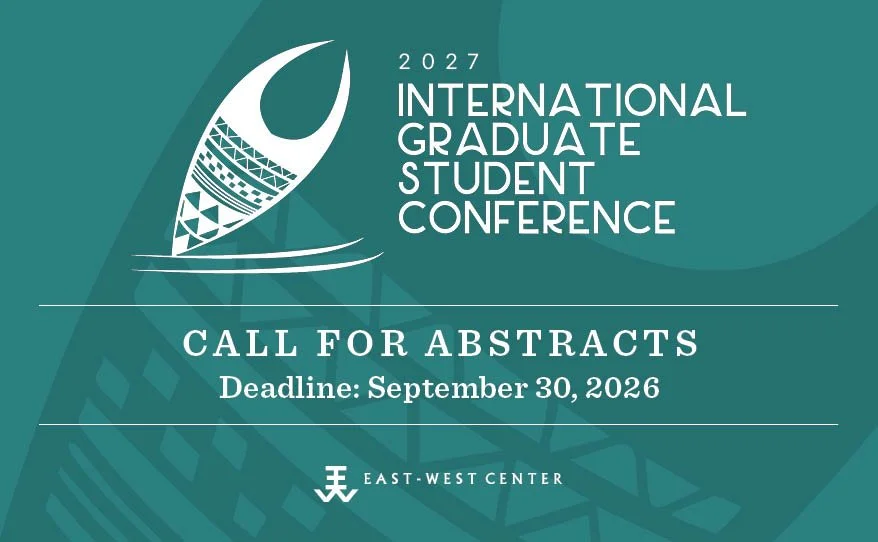
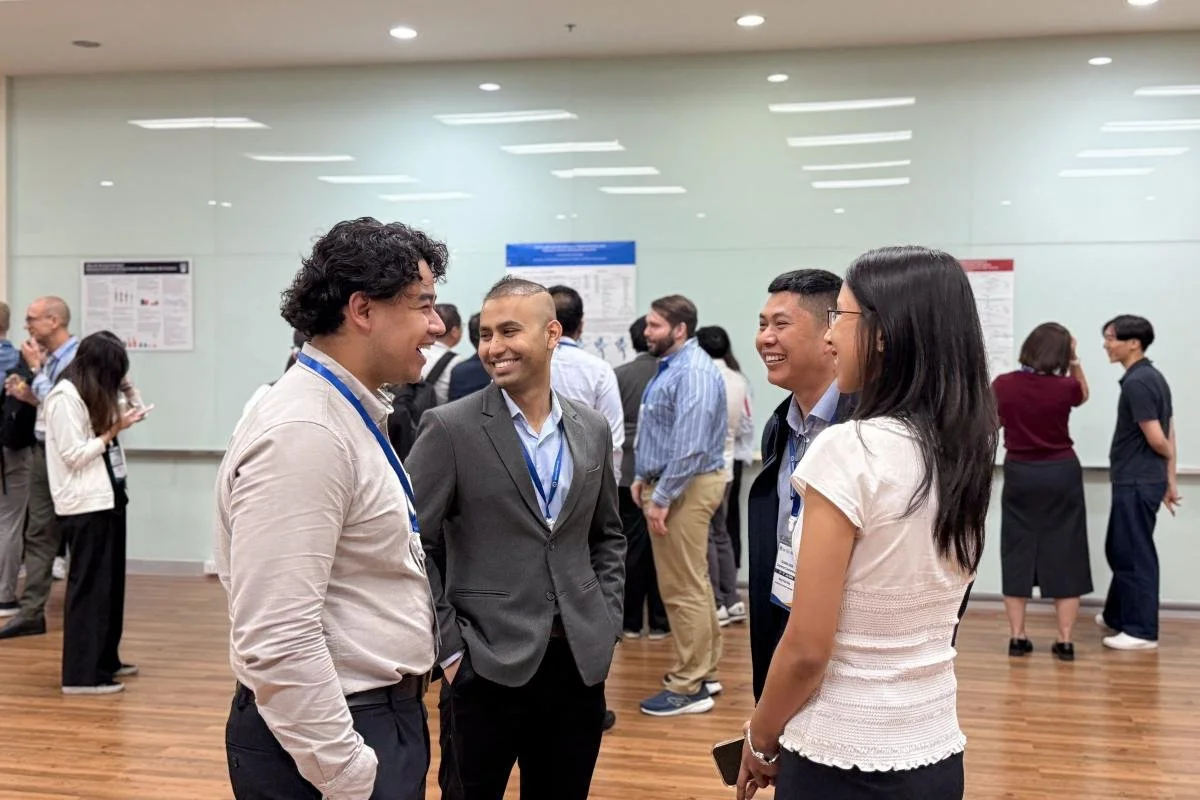
East-West Center invites proposals from all disciplinary and interdisciplinary perspectives for its 26th International Graduate Student Conference under the theme “Weaving Knowledge for Shared Indo-Pacific Prosperity.” More details below.
Deadline: Sep 30
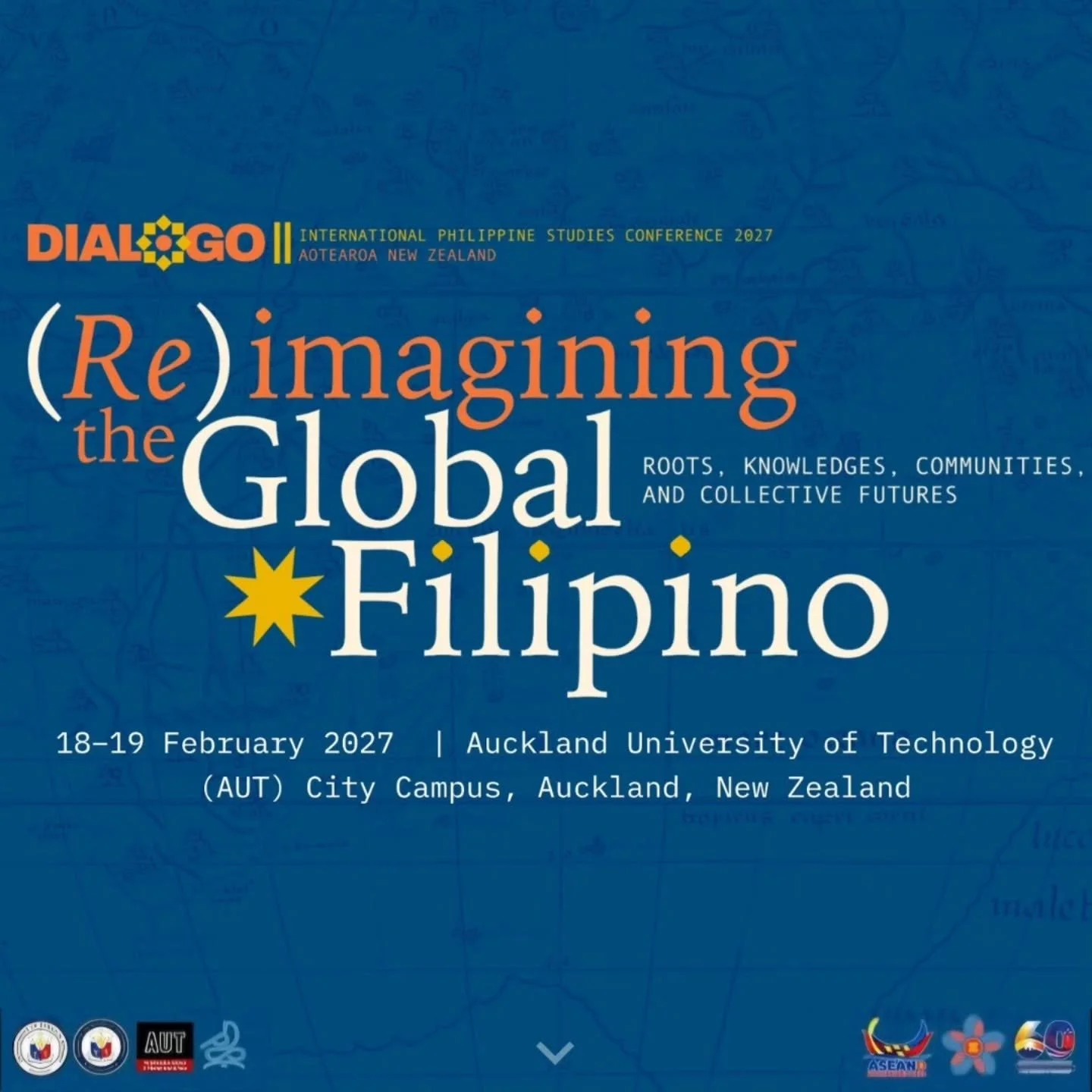
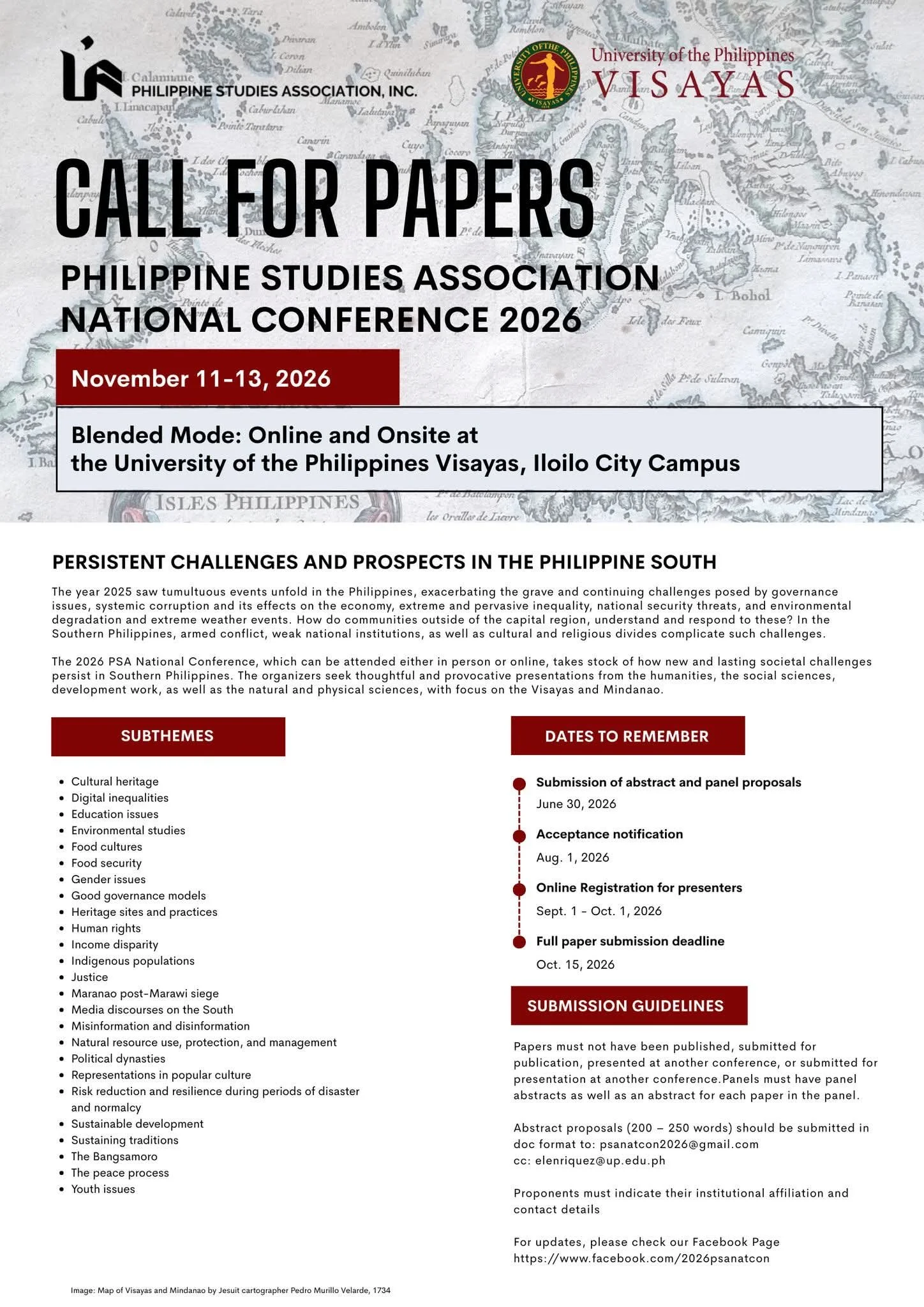
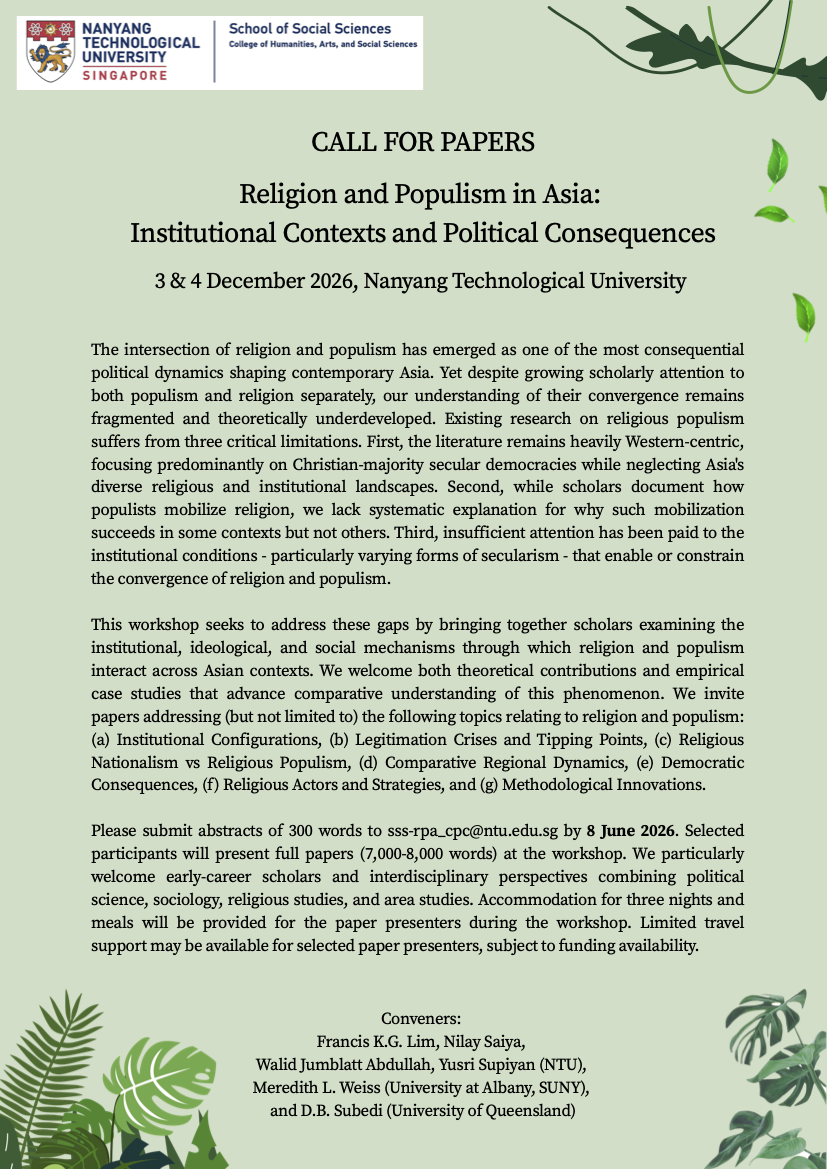

The Monsoon Awards, the first indie, ground-up, artist-led pan-Asian comics prize.
➡️ We are officially open for submissions in the following categories:
• Best Graphic Novel in English
• Best Graphic Narrative in Thai
• Best Short Comic / Zine (under 30 pages) in English
• Best Webcomic / Serial / Strip in English
• Best Nonfiction Comic in English
• Best Experimental Comic in English
• Best Young Adult Comic in English
Submission deadline is May 31st. For submission guidelines, go to www.themonsoonawards.com
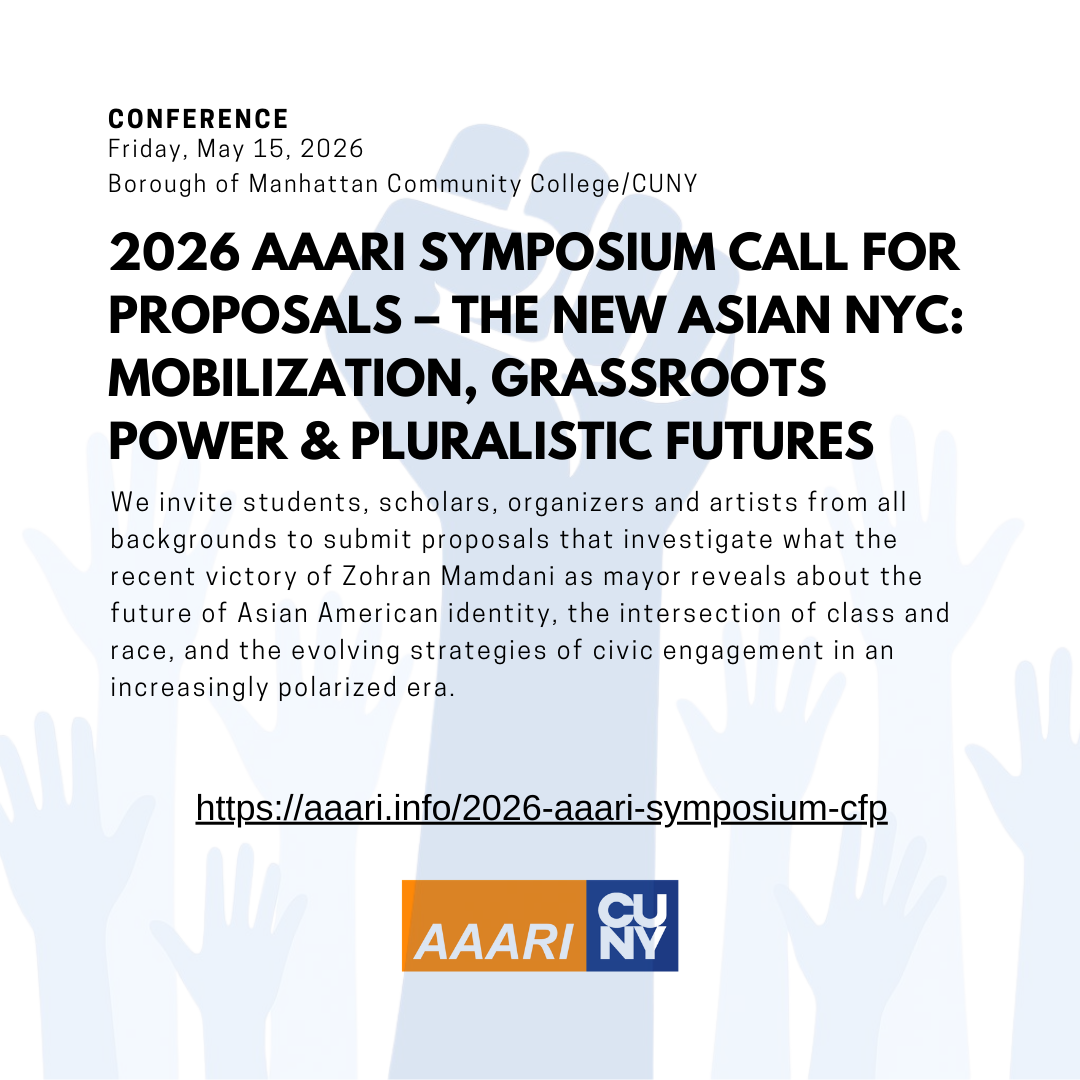
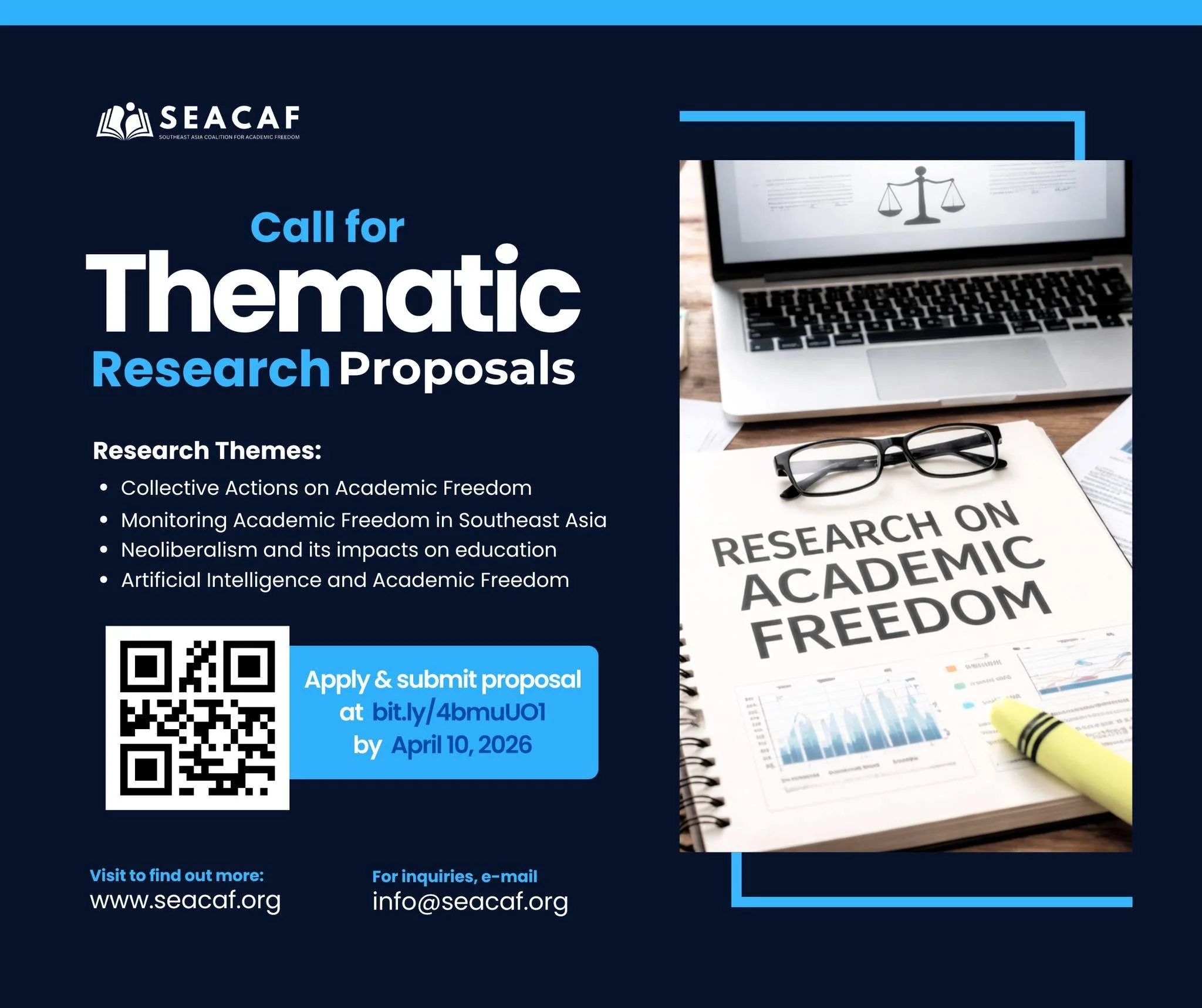
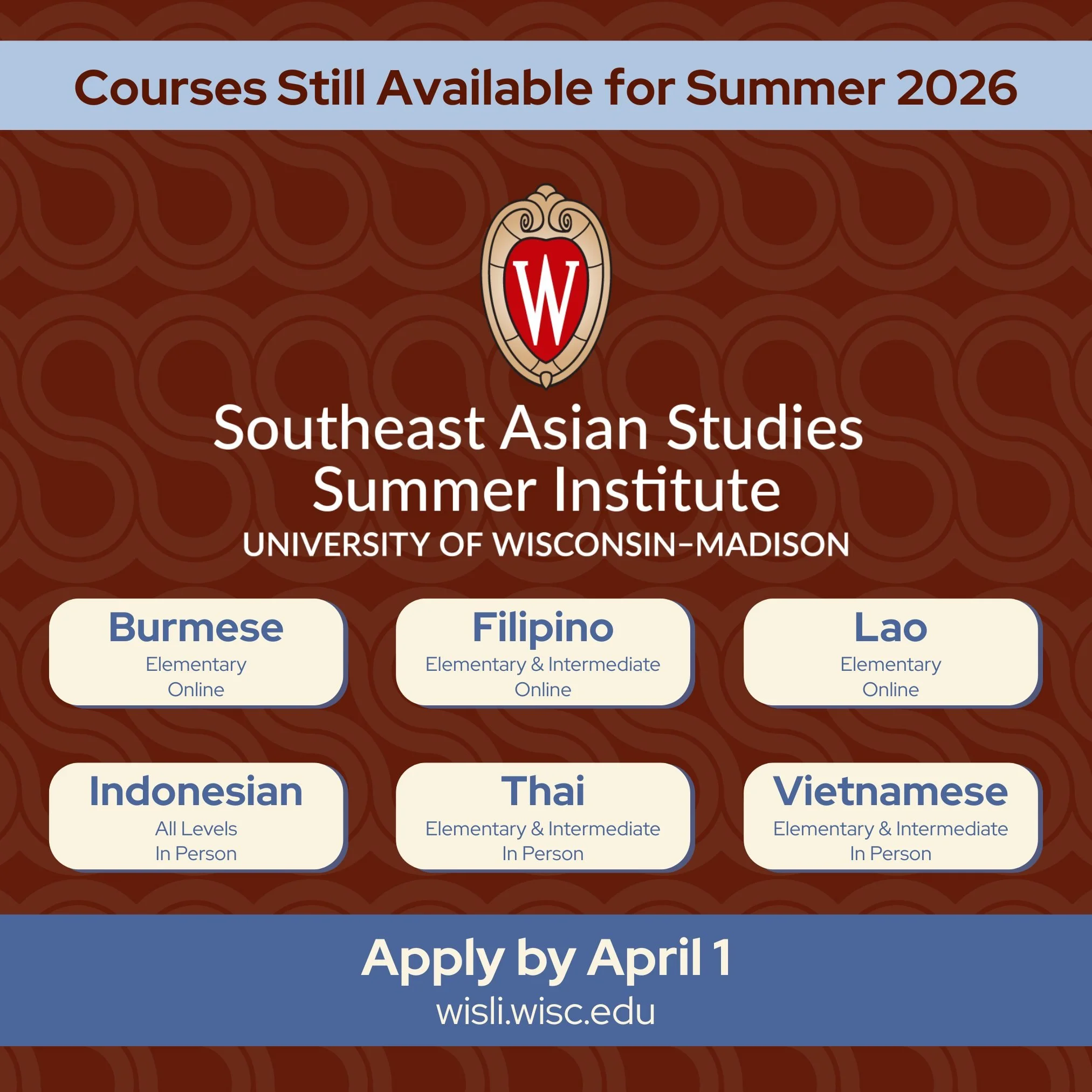
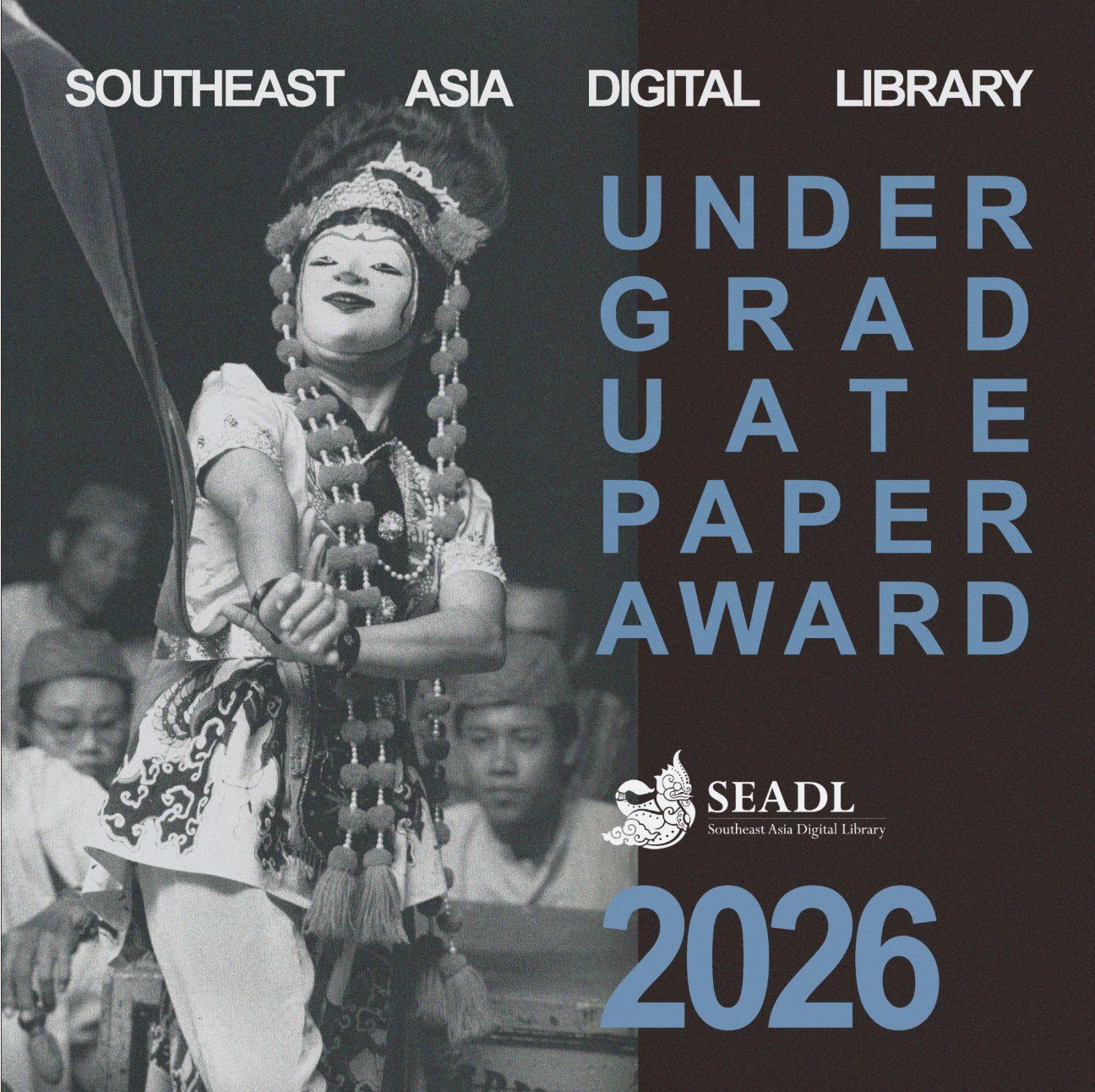

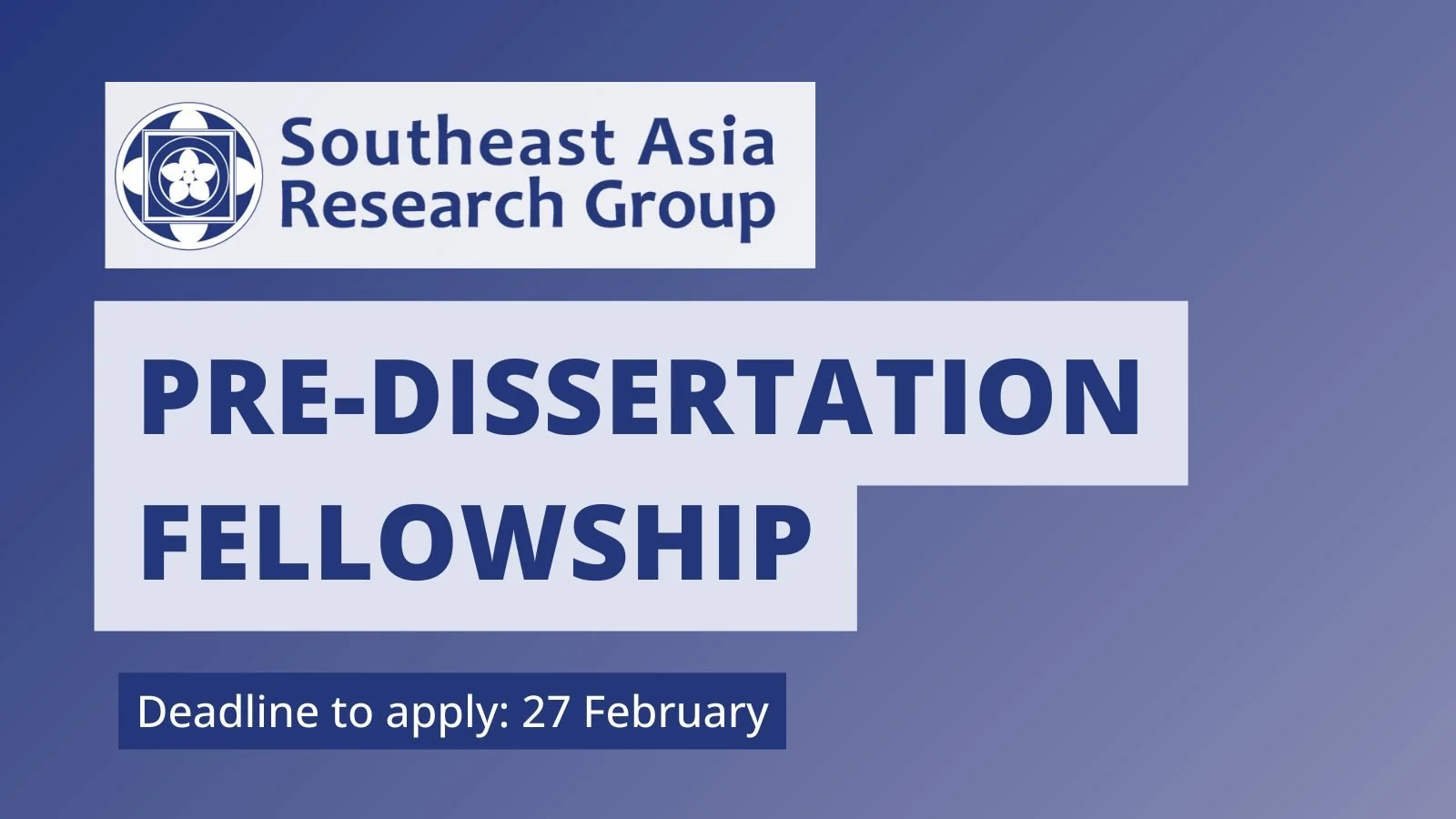
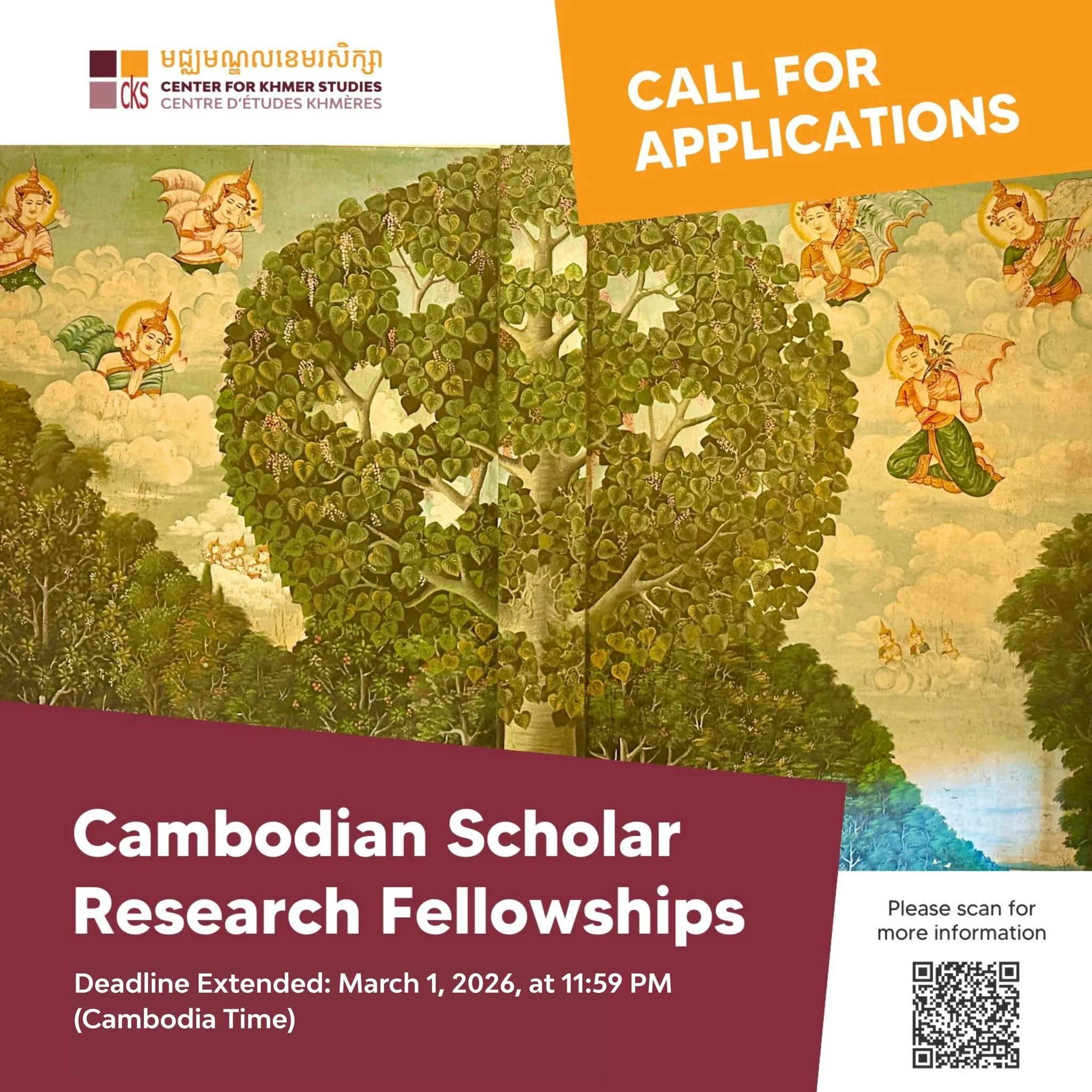
CKS invites Cambodian PhD holders and doctoral students to apply for research fellowships in the social sciences and humanities.
Extended application deadline: January 31, 2026.
For more information and to apply, visit: https://khmerstudies.org/programs/cambodian-scholar-research-fellowships/
Videos
![[Recording] Singapore’s Vivian Balakrishnan on AI, China, and Global Competition](https://images.squarespace-cdn.com/content/v1/657a0c3cd9317f7b22ebbb67/1792272994081-4OOYVC15Z0URI0UOAUO8/sddefault.jpg)
![[Recording] Thailand’s Sihasak Phuangketkeow on ASEAN and the Future of Asia](https://images.squarespace-cdn.com/content/v1/657a0c3cd9317f7b22ebbb67/1792272734538-R4N7ZPAGJOZO2VUPQIR9/UNGA-danny-sihasak-thumb-as.png)
![[Recording] Where’s the Water: Mekong Wet Season 2026](https://images.squarespace-cdn.com/content/v1/657a0c3cd9317f7b22ebbb67/1788376393461-M3XY7XVCBMTWDIP7TM5X/sddefault.jpg)
![[Recording] Telegram Therapy and Psy-Influencers: Adaptation of Digital Mental Health Services in Cambodia](https://images.squarespace-cdn.com/content/v1/657a0c3cd9317f7b22ebbb67/1783459806274-BEBNR1J6RRTZHCFNYCGR/Dr.-Elena-Lesley-Webinar.jpg)
![[Recording] Circuits of Power: Infrastructure, Communication, and Data in Southeast Asia](https://images.squarespace-cdn.com/content/v1/657a0c3cd9317f7b22ebbb67/1781207884968-FPT345HZWBDCAJSFLLMQ/NYSEAN+Media+Studies+Panel.png)
![[Recording] A Decade of Reflection: US-Lao Relations and the Legacies of War After 2016](https://images.squarespace-cdn.com/content/v1/657a0c3cd9317f7b22ebbb67/1781207485413-V8FHPPZ3KECPMMNO9FV4/sddefault-5.jpg)
![[Recording] Mining Landscapes of Ancient Cambodia: Research, Documentation, and Preservation](https://images.squarespace-cdn.com/content/v1/657a0c3cd9317f7b22ebbb67/1781127990039-W57X44Z9CIB5LH44R0DM/sddefault-4.jpg)
![[Recording] After the Election: What’s Next for Thailand?](https://images.squarespace-cdn.com/content/v1/657a0c3cd9317f7b22ebbb67/1778536700239-9GP7T0BWBDLZ415LLYHP/Thai+Election+Flyer.jpeg)
![[Recording] Activist Scholarship and Freedom in Peril in Southeast Asia](https://images.squarespace-cdn.com/content/v1/657a0c3cd9317f7b22ebbb67/1778535385132-URZVI4IPNQVMQZ4MNVHZ/sddefault-3.jpg)
![[Video] Photojournalist Nicole Tung on the Environmental and Human Toll of Overfishing](https://images.squarespace-cdn.com/content/v1/657a0c3cd9317f7b22ebbb67/1777682300196-R1OKPYB1D9C23UUFU9E2/sddefault-2.jpg)
![[Recording] Protecting Water in the Mining Rush: Lessons from Africa and Southeast Asia](https://images.squarespace-cdn.com/content/v1/657a0c3cd9317f7b22ebbb67/1777682059867-HERILVTL6YWQ559U255D/sddefault.jpg)
![[Recording] Enduring Otherwise: Muslim Queer and Trans Worldmaking in Indonesia](https://images.squarespace-cdn.com/content/v1/657a0c3cd9317f7b22ebbb67/1775168471240-GEORIPQNLRRB5H3Q3NA3/NYSEAN+Enduring+Otherwise+Flyer-2.png)
![[Recording] The Philippines’ ASEAN Chairmanship: Foreign Secretary Ma. Theresa P. Lazaro on Indo-Pacific Strategy](https://images.squarespace-cdn.com/content/v1/657a0c3cd9317f7b22ebbb67/1775163042664-Z76W3EMOBQV3YZWHDG96/sddefault-6.jpg)
![[Recording] Dams and Difference in Ethnic Lao Spaces of the Mekong River Basin](https://images.squarespace-cdn.com/content/v1/657a0c3cd9317f7b22ebbb67/1775162848246-VTVC9Z9L7JN2G1MHJUAK/sddefault-5.jpg)
For ethnic Lao living along the Mekong River and its tributaries, hydropower dams have negatively impacted their lives and livelihoods. Many impacts, however, remain invisible in social and environmental impact assessments but have profound repercussions for the well-being of these communities. This talk by Akarath Soukhaphon, Geography PhD Candidate at University of Wisconsin-Madison, makes visible some of these impacts among ethnic Lao communities in and around the Pak Mun Dam in northeastern Thailand, the Don Sahong and Xe Pian Xe Namnoy Dams in southern Laos, and the Lower Sesan 2 Dam in northeastern Cambodia.
![[Recording] Making Sense of the Myanmar and Thai Elections: Complicated Processes, Fraught Results](https://images.squarespace-cdn.com/content/v1/657a0c3cd9317f7b22ebbb67/1775073963013-2KZ6R6GMKNOPH8CCZ7HI/0223+Myanmar+%26+Thai+Election+Results+Webinar.png)
![[Recording] Cracking Down on Scam Compounds in Southeast Asia](https://images.squarespace-cdn.com/content/v1/657a0c3cd9317f7b22ebbb67/1773690701908-4Y3PTLLFSH529KQ4JK3W/sddefault-4.jpg)
![[Video] Angkor: Hidden Jungle Empire | NOVA | PBS](https://images.squarespace-cdn.com/content/v1/657a0c3cd9317f7b22ebbb67/1772490402322-DM9207DMRHX7OCQQQAYP/sddefault-2.jpg)
![[Recording] The Results and Implications of Myanmar’s Elections](https://images.squarespace-cdn.com/content/v1/657a0c3cd9317f7b22ebbb67/1772490159352-97LTIN2NJWRJ3D60B281/sddefault.jpg)
![[Recording] Decline of Rights in 2025: Conflict, Aid Cuts, Democratic Backsliding — 2026 World Report Asia Release](https://images.squarespace-cdn.com/content/v1/657a0c3cd9317f7b22ebbb67/1770852789112-BOFIPEPQ4DPB10Q868OK/sddefault-6.jpg)
![[Video] How Will Thai-Cambodia Conflict Affect Thailand’s Choice For Next Leader? | Insight](https://images.squarespace-cdn.com/content/v1/657a0c3cd9317f7b22ebbb67/1770852619547-PDU2JAY59XVARY9QC7RM/sddefault-5.jpg)
![[Video] WagTalks: Presidential Policy — U.S. Development and Global Health Assistance with John Gershman](https://images.squarespace-cdn.com/content/v1/657a0c3cd9317f7b22ebbb67/1770403549366-78B8G2VKIZHOZJXAK2SQ/sddefault-4.jpg)
![[Recording] The Challenges of International Funding for Myanmar’s Civil Society Organizations](https://images.squarespace-cdn.com/content/v1/657a0c3cd9317f7b22ebbb67/1770403323446-SBFSDTJQ5QN4CT3C8BV2/Screenshot+2026-01-27+at+1.59.42%E2%80%AFPM.png)
![[Recording] “What Strange Woman is Here?”: Laura Benedict’s Fieldwork among the Bagobos of the Southern Philippines, 1906 – 1908](https://images.squarespace-cdn.com/content/v1/657a0c3cd9317f7b22ebbb67/1770336806835-BA6G60AV1AO4TGW2G69J/CSA34859.jpeg)
![[Recording] Cham Living Archives and the Long Nineteenth Century](https://images.squarespace-cdn.com/content/v1/657a0c3cd9317f7b22ebbb67/1770336304150-LCHYN1OJI4KNC9V0PPVL/sddefault-3.jpg)